FreshRecruitment
Hoe milieuvriendelijk zijn biobased materialen?
Hoe milieuvriendelijk is de productie van nieuw ontwikkelde biobased materialen t.o.v. olie-gebaseerde producten? Deze vraag stond centraal in het Biobased Performance Materials (BPM) project SUSTAIN.
Europese markt voor food- en drankverpakkingen tot 2020
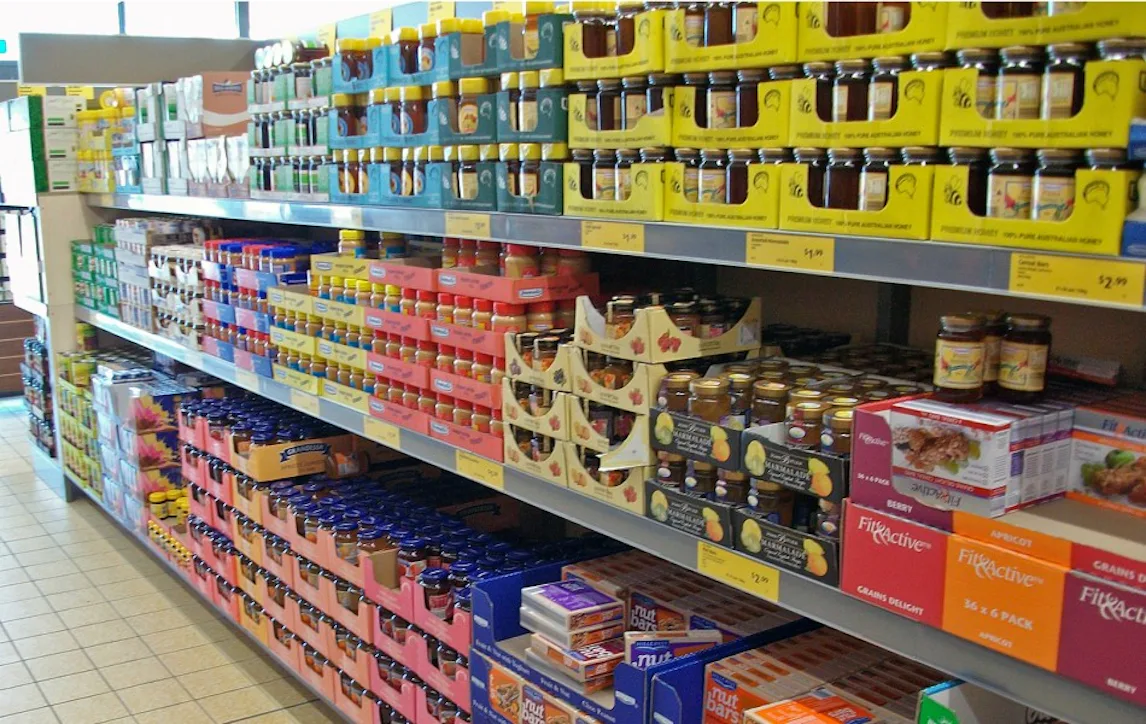
According to a new report by Smithers Pira, packaged food and drink consumption in Europe is projected to grow by 3% per annum to 953 billion packages by 2020. The growth is driven by continuing growth in retail food packaging as well as a recovery in foodservice packaging markets.

Atypische foodverpakking beïnvloedt impact productclaims
Atypical food packaging draws attention in the retail environment, and therefore increases product salience. Researchers at the Amsterdam School of Communication Research NL focused on how atypical packaging affects the persuasive impact of other food information.

NVC-visie op circulaire economie en verpakken Europa
De Europese Commissie werkt aan een circulaire economie strategie om Europa in een meer concurrerende grondstof-efficiënte economie te veranderen. De verpakkings- en afvalsector worden in de beschouwing meegenomen.
Slimme 3D-geprinte melkdop waarschuwt bij bederf
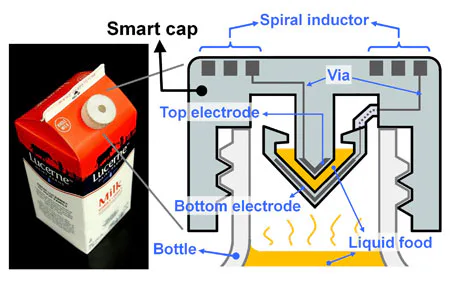
UC Berkeley engineers are expanding the portfolio of 3D printing technology to include electrical components. They have put the new technology to the test by printing a wireless "smart cap" for a milk carton that detected signs of spoilage using embedded sensors.
Inkopers van verpakkingen en de rol van online informatie
Researchers at Fontys University in the Netherlands researched packaging buyer's online buying behavior to help all parties in the packaging industries make better make use of their time and resources.

Nieuwe methode detectie schadelijke stoffen foodverpakking
In her PhD project at the National Food Institute, Linda Bengtström has developed a screening strategy, which can be used to examine and assess the safety of food packaging materials made from paper and board. In the screening chemical substances are first extracted from the packaging materials.
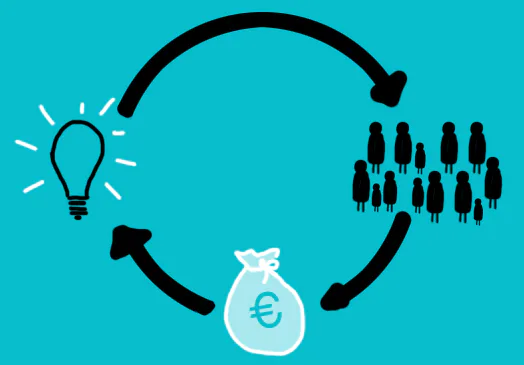
NVC katalyseert crowdfunding voor verpakkingsinnovaties
Een nieuw project van het NVC richt zich op het faciliteren van een Europees, alternatieve financiering business community, wat jaarlijks een investeringsvolume van €10 mln in 2016, en €100 mln in 2020 zou bereiken.
MSc-studie food transportverpakking voor thuisbezorging
Secondary packaging presently used to package food goods in e-commerce supply chains is either taken from existing supply chains, or sub-optimally developed in a non-holistic manner.
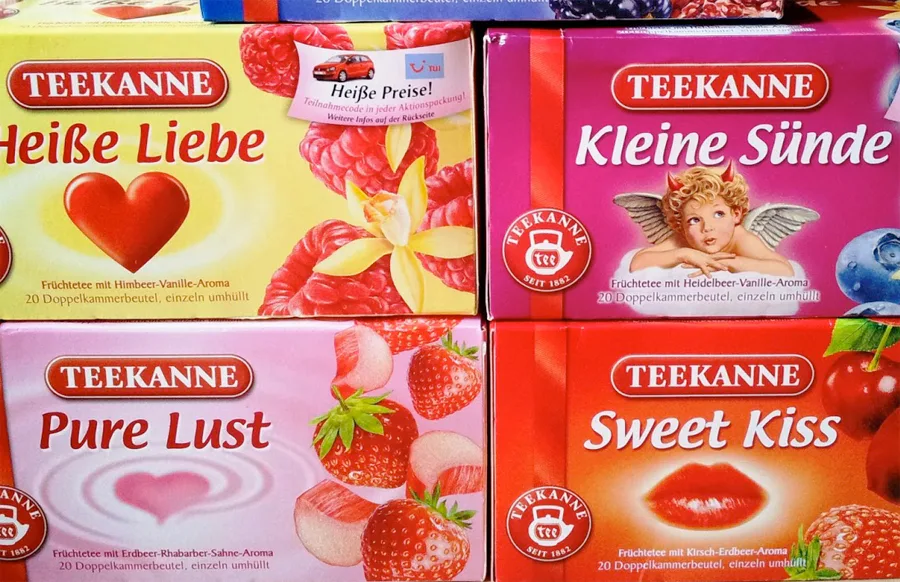
EU: Etiket van voedingsmiddel mag consument niet misleiden
A German consumer-protection association complained that through the items on the packaging, the German company Teekanne that markets tea, misleads the consumer with regard to the tea's contents.